




Why FEP Heat Shrink Tubing Is Replacing Traditional Heat Shrink in High-Performance Industries
For decades, polyolefin heat shrink tubing has been the standard choice for cable insulation and wire protection. However, as industries move toward higher temperatures, stronger chemicals, cleaner manufacturing environments and stricter regulatory requirements, conventional heat shrink materials are beginning to show their limitations.
This is why engineers in medical technology, semiconductor manufacturing, electric vehicles and aerospace systems are increasingly turning to FEP Heat Shrink Tubing as a next-generation protection solution.
Unlike standard heat shrink tubing, FEP (Fluorinated Ethylene Propylene) belongs to the fluoropolymer family and delivers a unique combination of transparency, chemical resistance, electrical insulation and thermal stability that few materials can match.
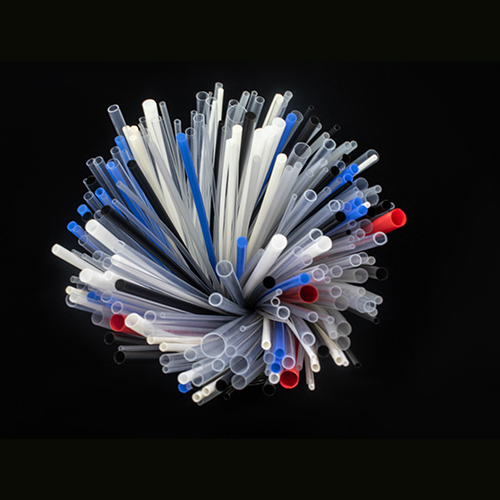
The Material Behind Critical Technologies
Most consumers have never heard of FEP, yet it plays a vital role in many of the technologies used every day.
FEP heat shrink tubing can be found inside:
Electric vehicle battery packs
Medical catheter systems
Semiconductor manufacturing equipment
Aircraft wiring harnesses
Industrial sensors
Laboratory instruments
Food processing systems
High-voltage connectors
Its fluoropolymer structure provides exceptional protection in environments where heat, chemicals and electrical stress would quickly damage conventional insulation materials.
Why Engineers Choose FEP Instead of Standard Heat Shrink
Traditional heat shrink tubing performs well in general electrical applications, but high-performance industries require more advanced materials.
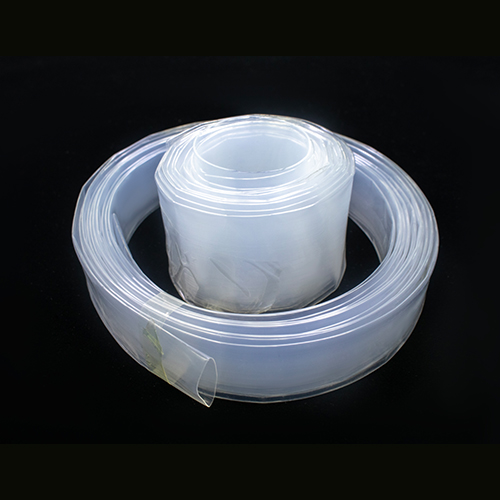
| Property | FEP Heat Shrink Tubing | Standard Polyolefin |
|---|---|---|
| Chemical Resistance | Excellent | Moderate |
| Transparency | High | Low |
| Operating Temperature | Up to 200°C | Typically 125°C |
| UV Resistance | Excellent | Average |
| FDA Compliance | Available | Limited |
| Non-Stick Surface | Excellent | No |
For applications involving aggressive chemicals, sterilization procedures or high-voltage systems, FEP provides a substantial performance advantage.
Why Transparency Matters More Than You Think
One of the most overlooked advantages of FEP Heat Shrink Tubing is its exceptional optical clarity.
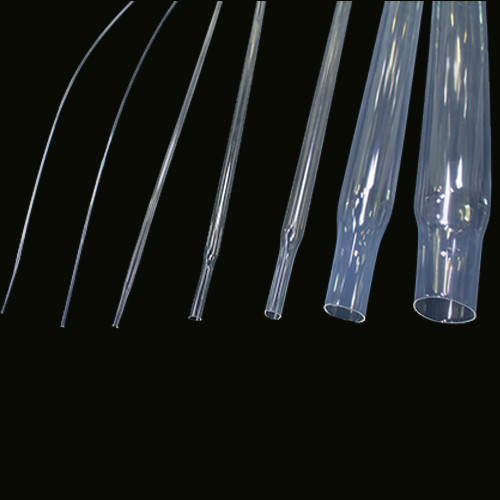
Unlike many insulation materials that hide internal components, transparent FEP tubing allows engineers and technicians to visually inspect wires, solder joints, sensors and catheter assemblies without removing the protective layer.
This reduces maintenance time, simplifies troubleshooting and improves quality control in critical manufacturing environments.
The Preferred Material for Medical Catheter Manufacturing
Medical device manufacturers are among the largest users of FEP heat shrink tubing.
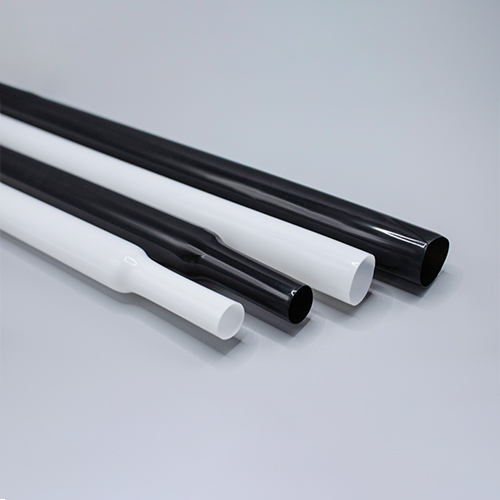
During catheter production, FEP heat shrink is often used as a processing aid. When heated, the tubing shrinks uniformly around catheter assemblies, helping manufacturers create smooth, precise and highly consistent medical components.
Because FEP is FDA compliant and highly biocompatible, it is commonly used in:
Catheter manufacturing
Endoscopic devices
Surgical instruments
Diagnostic equipment
Laboratory systems
Supporting the Growth of Electric Vehicles
As electric vehicle architectures continue evolving toward higher voltages, insulation materials face increasingly demanding conditions.
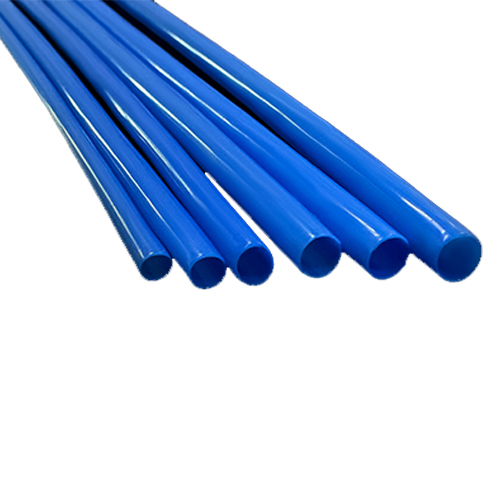
Battery packs, charging systems and high-voltage wiring harnesses require insulation capable of resisting heat, vibration, chemicals and electrical stress simultaneously.
FEP heat shrink tubing helps protect critical electrical systems while reducing maintenance requirements and improving long-term reliability. Many EV manufacturers use fluoropolymer-based insulation materials to improve safety and durability.
Chemical Resistance That Sets FEP Apart
Perhaps the greatest advantage of FEP is its resistance to aggressive chemicals.
FEP remains stable when exposed to:
Strong acids
Strong alkalis
Industrial solvents
Cleaning chemicals
Corrosive environments
This makes it particularly valuable in semiconductor fabrication, laboratory equipment and chemical processing facilities.
Typical Technical Characteristics
| Parameter | Typical Value |
|---|---|
| Material | Fluorinated Ethylene Propylene (FEP) |
| Shrink Ratio | 1.3:1, 1.6:1, 2:1 |
| Operating Temperature | -200°C to +200°C |
| Short-Term Temperature | 260°C |
| Flammability | VW-1 |
| Compliance | FDA, RoHS, REACH |
| Appearance | Transparent |
Values may vary depending on wall thickness and product configuration.
Industries Driving Future Demand
Global demand for fluoropolymer heat shrink tubing continues to grow because of rapid expansion in:
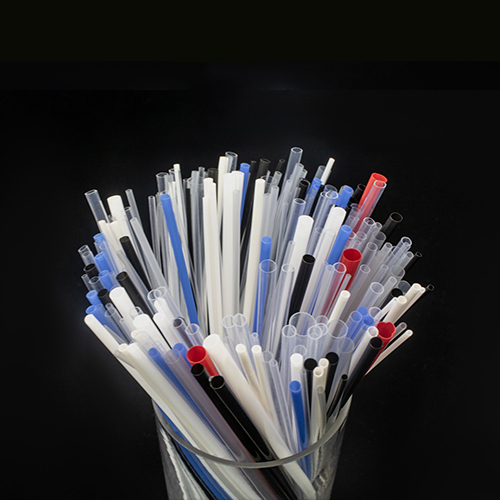
Electric Vehicles (EV)
Semiconductor Manufacturing
Medical Devices
Aerospace Systems
Renewable Energy Equipment
Industrial Automation
High-Speed Communications
As electronic systems become more compact and more powerful, advanced insulation materials such as FEP will play an increasingly important role in ensuring safety and long-term performance.
Explore FEP Heat Shrink Tubing Solutions
If your application requires chemical resistance, high temperature stability, electrical insulation and long service life, FEP Heat Shrink Tubing may be the ideal solution.
Product Page:FEP Heat Shrink Tubing
Related Products: