




If you're replacing a worn tube, upgrading your filament path, or performing maintenance on your AMS system, knowing how to remove PTFE tube from AMS hub correctly can prevent damage to the connector and ensure smooth filament feeding.
The PTFE tubing used in modern AMS (Automatic Material System) units is designed for low friction and excellent wear resistance. However, improper removal can damage the tube or the push-fit connector, leading to feeding problems later.
In this guide, we'll explain the correct removal process, common mistakes to avoid, and how to choose the right replacement tubing.
Why PTFE Tubing Is Used in AMS Systems
Most multi-material 3D printers rely on PTFE tubing because it offers:
Extremely low friction for smooth filament movement
Excellent chemical resistance
High temperature resistance
Long service life
Consistent dimensional accuracy
For any ptfe tubing 3d printer application, maintaining a clean and undamaged tube helps reduce filament jams and improves print quality.
Industrial manufacturers also use PTFE tubing in automation equipment, medical devices, chemical systems, and electrical insulation because of these same performance advantages.
Step 1: Power Off the Printer
Before removing any tube, power off the printer and unload the filament completely.
Trying to remove the tube while filament remains inside may damage both the connector and the tube end.
Step 2: Press the Push-Fit Connector
Most AMS hubs use a push-fit pneumatic connector.
To release the tube:
Hold the PTFE tube firmly.
Push the tube slightly inward.
Press down the release collar.
Pull the tube straight out.
Avoid twisting the tube excessively, as this may scratch the outer surface or deform the connector.
Step 3: Inspect the Tube
After removal, inspect the PTFE tube for:
Flattened ends
Deep scratches
Burn marks
Internal contamination
Oval deformation
If any of these issues are present, replacing the tubing is recommended rather than reinstalling it.
Choosing the Right Replacement PTFE Tube
Not every PTFE tube performs the same.
When selecting replacement tubing, pay attention to:
Inner diameter tolerance
Outer diameter consistency
Temperature rating
Surface smoothness
Material purity
For demanding industrial applications, manufacturers often choose precision-extruded PTFE tubing to ensure reliable performance under continuous operation.
For products exposed to elevated temperatures, PTFE heat shrink tubing and PTFE heat shrinkable tubing provide additional insulation, abrasion resistance, and mechanical protection around connectors or cable assemblies. Gendian manufactures a range of fluoropolymer heat-shrink products, including PTFE, FEP, and PFA solutions for industrial applications.
When Should You Use PTFE Heat Shrink Tubing?
Although standard PTFE tubing is ideal for guiding filament, some applications require additional protection.
PTFE shrink tubing is commonly used when:
Protecting wire bundles
Reinforcing connectors
Improving abrasion resistance
Providing chemical protection
Increasing electrical insulation
Compared with ordinary tubing, PTFE heat shrink tubing offers a tighter fit after heating while maintaining PTFE's excellent chemical and thermal properties.
What About Convoluted PTFE Tubing?
For applications requiring frequent bending, convoluted PTFE tubing is often the preferred solution.
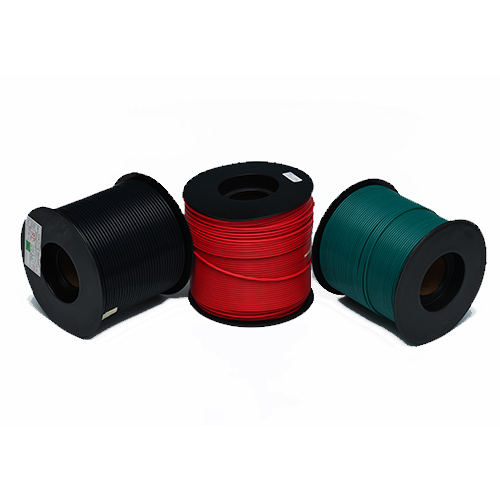
Its corrugated structure offers:
Greater flexibility
Better vibration resistance
Smaller bending radius
Reduced stress during movement
Although AMS systems typically use smooth tubing, convoluted designs are widely used in robotics, automation equipment, aerospace, and medical devices where repeated motion is common.
Why Quality Matters
A high-quality PTFE tube can significantly improve feeding reliability and reduce maintenance frequency.
Professional manufacturers focus on:
Tight dimensional tolerances
Smooth internal surfaces
Consistent wall thickness
High-purity fluoropolymer materials
Strict quality inspection
These factors directly affect the service life of both industrial equipment and PTFE tubing 3D printer applications.
Industrial PTFE Tubing Solutions from Gendian
As a professional manufacturer of Fluoropolymer Tubing and heat-shrink products, Gendian Materials supplies a wide range of solutions for industrial, electronics, automotive, aerospace, and medical applications, including PTFE tubing, PTFE heat shrink tubing, FEP tubing, PFA tubing, and related high-temperature products.
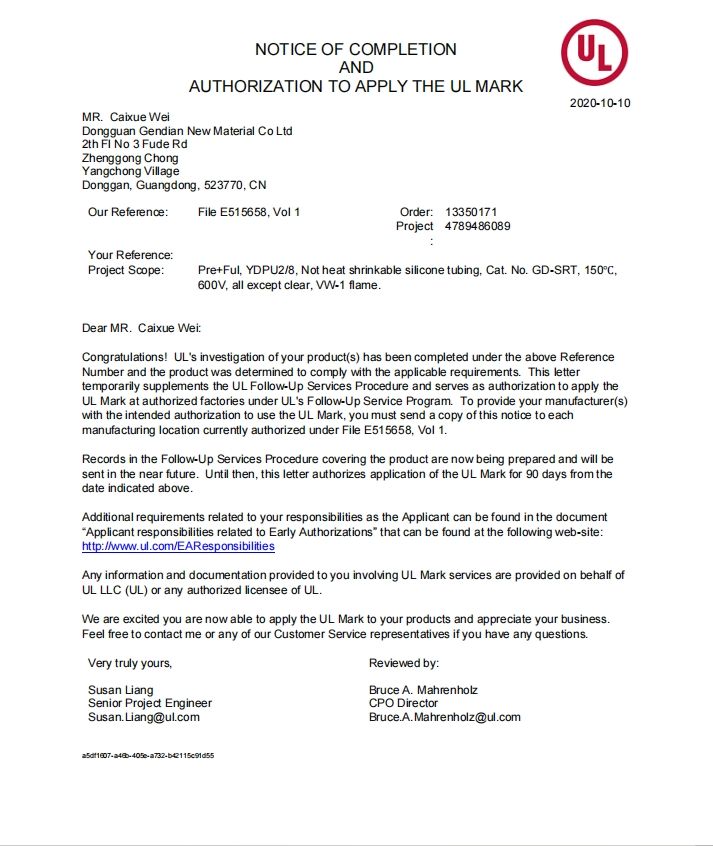
Recommended Products
PTFE Heat Shrink Tubing
→ PTFE Heat Shrink TubingMore Fluoropolymer Products
→ Gendian Products Center
Conclusion
Removing a PTFE tube from an AMS hub is straightforward when the correct procedure is followed. More importantly, selecting high-quality replacement PTFE tubing helps maintain reliable filament feeding, extends component life, and minimizes printing interruptions.
Whether you need PTFE tubing, PTFE shrink tubing, PTFE heat shrinkable tubing, or convoluted PTFE tubing for industrial applications, choosing precision-manufactured fluoropolymer products ensures long-term performance and reliability.