




In modern electrical systems, cables are becoming more compact and complex, making effective cable protection increasingly important. From automotive wiring harnesses and industrial automation equipment to consumer electronics and renewable energy systems, exposed wires need reliable protection against abrasion, heat, vibration, and environmental damage.
A braided cable sleeve is one of the most widely used solutions for protecting and organizing cables. With its flexible woven structure, excellent durability, and easy installation, braided cable sleeving helps extend cable service life while improving the safety and appearance of electrical assemblies.
This article explains what a braided cable sleeve is, how it works, its common materials, applications, and how to select the right cable protection solution.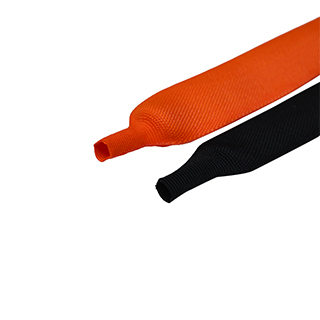
What Is a Braided Cable Sleeve?
A braided cable sleeve is a flexible protective covering made by weaving multiple strands of material into a tubular structure. It is designed to wrap around wires, cables, and cable bundles to provide mechanical protection and improve cable management.
Unlike rigid cable conduits, braided cable sleeves are lightweight and expandable. The braided structure allows the sleeve to expand when cables are inserted and contract tightly around the cable bundle, creating a secure and professional appearance.
Common materials used for braided cable sleeving include:
PET (Polyester)
Nylon
Fiberglass
Kevlar
Hybrid fiber materials
Each material provides different levels of abrasion resistance, temperature performance, flexibility, and environmental protection.
For industrial cable protection requirements, Gendian Materials provides customized braided cable sleeve solutions designed for different applications and operating environments.
How Does a Braided Cable Sleeve Protect Cables?
A cable protection sleeve is more than a simple covering. It plays an important role in improving cable reliability and preventing premature failure.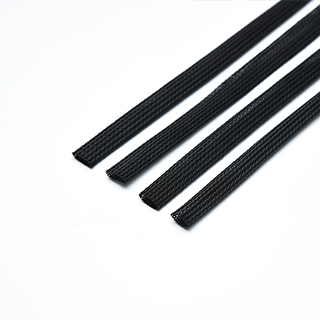
1. Protection Against Abrasion
During operation, cables may experience constant movement, vibration, or friction against surrounding components. Over time, this can damage the outer insulation and expose internal conductors.
A braided cable sleeve creates a protective barrier between the cable and external surfaces, reducing wear caused by:
Mechanical friction
Repeated movement
Sharp edges
Installation stress
This makes braided sleeving especially suitable for automotive, robotics, and industrial automation applications.
2. Improved Cable Organization
Modern equipment often contains multiple cables installed in limited spaces. Without proper organization, cable bundles can become difficult to maintain and more vulnerable to damage.
Using braided cable sleeving helps:
Combine multiple wires into one organized bundle
Reduce cable clutter
Improve installation appearance
Simplify maintenance and inspection
For OEM manufacturers, organized wiring also improves product quality and assembly efficiency.
3. Heat and Environmental Protection
Many electrical systems operate under challenging conditions, including high temperatures, moisture, chemicals, and outdoor exposure.
Depending on the selected material, braided sleeves can provide protection against:
Heat
UV radiation
Chemicals
Dust
Moisture
Flame risks
For high-temperature environments, heat-resistant braided sleeves made from fiberglass or specialized materials are often preferred.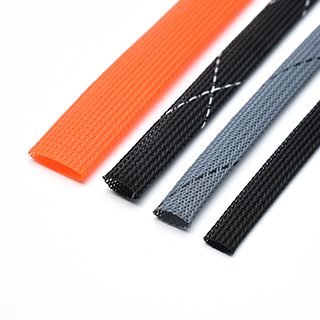
What Materials Are Used for Braided Cable Sleeving?
Different applications require different sleeve materials.
PET Braided Cable Sleeve
PET is one of the most popular materials for expandable braided sleeves because it provides an excellent balance between performance and cost.
Advantages include:
High abrasion resistance
Lightweight design
Flexible installation
Good durability
Cost-effective solution
PET braided sleeves are commonly used for automotive wiring, electronic equipment, and general cable management.
Nylon Braided Sleeve
Nylon braided sleeving provides excellent flexibility and impact resistance.
It is suitable for applications requiring:
Frequent movement
High mechanical protection
Better wear resistance
Typical applications include robotics, automation equipment, and dynamic cable systems.
Fiberglass Braided Sleeve
When cables operate in high-temperature environments, fiberglass braided sleeves provide excellent thermal protection.
Applications include:
Industrial machinery
Motors
Heating equipment
Automotive engine compartments
Kevlar Braided Sleeve
Kevlar Braided Sleeving offers exceptional strength and cut resistance.
It is commonly used in applications requiring:
Extreme mechanical protection
High durability
Lightweight reinforcement
Industries such as aerospace and heavy equipment often use Kevlar-based cable protection solutions.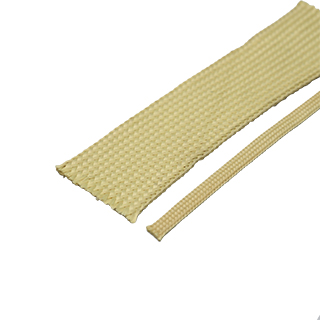
Braided Cable Sleeve vs Other Cable Protection Solutions
Different cable protection products serve different purposes.
| Protection Solution | Main Benefits | Typical Applications |
|---|---|---|
| Braided Cable Sleeve | Flexible, expandable, abrasion resistant | Wire harnesses, electronics, automation |
| Heat Shrink Tubing | Tight insulation and sealing | Electrical connections |
| Plastic Conduit | Strong rigid protection | Building and industrial wiring |
For applications requiring electrical insulation and environmental sealing, products such as PTFE Heat Shrink Tubing can provide additional protection in high-temperature and chemically demanding environments.
Where Are Braided Cable Sleeves Used?
Due to their flexibility and durability, braided cable sleeves are widely used across many industries.
Automotive and Electric Vehicles
Modern vehicles contain large numbers of electrical cables that require protection against vibration, heat, and movement.
Braided sleeves are commonly used for:
Battery wiring
Sensor cables
Engine wiring harnesses
Charging systems
Industrial Automation
Factories rely on complex electrical systems that operate continuously.
Braided cable sleeving helps protect cables used in:
Robots
CNC machines
Control cabinets
Automated production lines
Electronics and Communication Equipment
Compact electronic devices require efficient cable organization and protection.
Applications include:
Data cables
Power cables
Internal wiring assemblies
Renewable Energy Systems
Solar and energy storage systems require durable cable protection against outdoor conditions.
Braided sleeves help improve cable reliability in:
Solar equipment
Battery systems
Power management systems
How to Choose the Right Braided Cable Sleeve?
Selecting the correct sleeving requires considering several factors.
1. Cable Diameter
Choose a sleeve size that matches the cable bundle diameter. A properly sized sleeve provides secure coverage while maintaining flexibility.
2. Operating Temperature
Different materials have different temperature capabilities.
For high-temperature applications, fiberglass or specialized heat-resistant materials may be required.
3. Environmental Conditions
Consider exposure to:
Chemicals
Moisture
UV radiation
Mechanical impact
The operating environment determines the most suitable material.
4. Required Flexibility
For moving applications such as robotics, choose a sleeve with excellent flexibility and expansion capability.
Why Choose Gendian Materials for Braided Cable Sleeving?
Gendian Materials specializes in developing and manufacturing high-performance cable protection products, including braided sleeving, heat shrink tubing, PTFE tubing, and other protective solutions.
With professional manufacturing capabilities, Gendian provides:
Customized sizes and materials
OEM/ODM support
Consistent product quality
Solutions for industrial applications
Whether you need standard braided cable sleeving or customized cable protection products, Gendian can provide solutions designed for different performance requirements.
Learn more about Gendian’s braided cable protection products:
Braided Cable Sleeve
https://www.gendianmaterials.com/braided-sleeve/
Conclusion
A braided cable sleeve is an effective solution for protecting wires and cables from abrasion, heat, vibration, and environmental damage. Its flexible structure, lightweight design, and excellent durability make it widely used across automotive, industrial, electronics, and energy applications.
Choosing the right material and design can significantly improve cable reliability and extend service life. For manufacturers and engineers looking for dependable cable protection solutions, high-quality braided cable sleeving provides an efficient and long-lasting option.