




PTFE tubing, also known as polytetrafluoroethylene tubing, is one of the most versatile and high-performance plastic tubing solutions used across modern industries. From chemical processing and medical devices to aerospace, electronics, and food-grade systems, PTFE tubing is valued for its exceptional chemical resistance, wide temperature tolerance, and ultra-low friction properties.
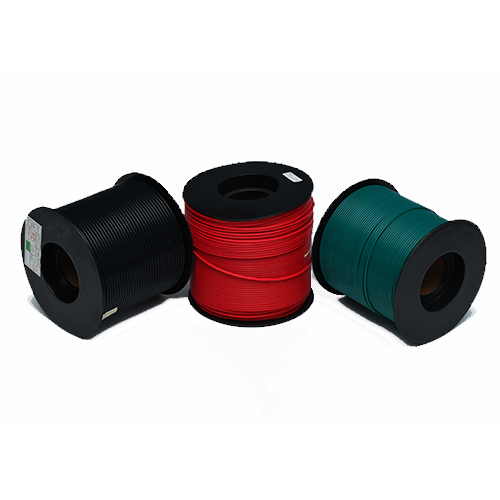
1. What Is PTFE Tubing?
PTFE tubing is a hollow cylindrical tube made from polytetrafluoroethylene, a synthetic fluoropolymer first discovered in 1938. PTFE is best known under the brand name Teflon, although PTFE itself is a generic material used by many manufacturers worldwide.
Unlike conventional plastic tubing, PTFE pipe and tubing are not melt-processed in the traditional way. Instead, they are produced through paste extrusion and sintering, resulting in a material with:
Extremely low coefficient of friction
Outstanding resistance to corrosive chemicals
Excellent electrical insulation properties
Long service life in harsh environments
Because of these characteristics, polytetrafluoroethylene tubing is often chosen when other plastics such as PVC, PU, or nylon fail.
2. Chemical Structure of Polytetrafluoroethylene Tubing
At a molecular level, PTFE consists of carbon atoms fully surrounded by fluorine atoms. This strong carbon–fluorine bond is one of the strongest in organic chemistry, which explains why PTFE tubing is:
Chemically inert
Non-reactive with acids, bases, and solvents
Resistant to oxidation and UV exposure
This molecular stability allows PTFE tubing to maintain performance even in aggressive chemical environments where metal pipes or standard plastic tubing would degrade rapidly.
3. Key Properties of PTFE Tubing
3.1 Chemical Resistance
One of the most important advantages of PTFE pipe is its near-universal chemical compatibility. PTFE tubing resists:
Strong acids (sulfuric, hydrochloric, nitric)
Alkalis
Organic solvents
Oils and fuels
This makes PTFE tubing a first choice in chemical processing plants, laboratories, and semiconductor manufacturing.
3.2 Temperature Resistance
Polytetrafluoroethylene tubing performs reliably across an exceptionally wide temperature range:
Continuous working temperature: -200°C to +260°C
Short-term exposure: up to 300°C
This thermal stability is critical for high-temperature fluid transfer, thermal cycling systems, and aerospace applications.
3.3 Low Friction and Non-Stick Surface
PTFE has one of the lowest coefficients of friction among solid materials. PTFE tubing offers:
Smooth internal surfaces
Reduced pressure drop
Minimal material buildup
These properties are especially important for precision fluid delivery, powder transfer, and pharmaceutical processes.
3.4 Electrical Insulation
Polytetrafluoroethylene tubing is an outstanding electrical insulator, with:
High dielectric strength
Stable electrical properties over a wide frequency range
As a result, PTFE sleeving and tubing are widely used to protect wires and cables in electronics, aerospace, and automotive industries.
4. Common Types of PTFE Tubing
4.1 Standard PTFE Tubing
Standard PTFE tubing is opaque white and used for general industrial applications. It offers the full chemical and thermal benefits of PTFE and is available in straight lengths or coils.
4.2 Small Diameter Teflon Tubing
Small diameter Teflon tubing is designed for precision systems where space and flow control are critical. Typical inner diameters range from less than 0.5 mm up to several millimeters.
Applications include:
Medical catheters
Analytical instruments
Ink and solvent delivery systems
Microfluidics
A reliable PTFE Tubing Supplier can maintain tight tolerances on wall thickness and inner diameter for consistent performance.
4.3 PTFE Pipe (Heavy Wall Tubing)
PTFE pipe refers to thicker-wall PTFE tubing designed for higher pressure or structural stability. It is commonly used in:
Chemical transfer lines
Corrosive fluid transport
Lined piping systems
PTFE pipe can often be machined, flared, or welded to meet custom system requirements.
4.4 PTFE Sleeving
PTFE sleeving is a thin-wall tubular form used primarily for insulation and protection rather than fluid transfer.
Typical uses include:
Wire and cable insulation
Protection against heat and abrasion
Electrical component shielding
PTFE sleeving is flexible, lightweight, and maintains insulation performance even at elevated temperatures.
4.5 Teflon PFA Tubing
Teflon PFA tubing is a related fluoropolymer product that combines many benefits of PTFE with improved clarity and flexibility.
Key advantages of PFA tubing include:
Transparent or semi-transparent appearance
Better crack resistance
Easier thermal welding
While PTFE tubing excels in extreme environments, Teflon PFA tubing is often preferred when visual flow inspection or complex fittings are required.
5. Manufacturing Process of PTFE Tubing
Unlike thermoplastics, PTFE cannot be injection molded or extruded using conventional melt techniques. The typical process includes:
Paste extrusion – PTFE powder is mixed with lubricant and extruded
Drying – lubricant is removed
Sintering – tubing is heated above PTFE’s crystalline melting point
Cooling and sizing – ensures dimensional stability
High-quality PTFE Tubing Suppliers invest heavily in process control to ensure consistent wall thickness, smooth surfaces, and stable mechanical properties.
6. Applications of Polytetrafluoroethylene Tubing
6.1 Chemical and Petrochemical Industry
PTFE tubing is widely used for:
Acid and solvent transfer
Chemical dosing lines
Corrosive waste handling
Its chemical inertness reduces contamination risk and maintenance costs.
6.2 Medical and Pharmaceutical Applications
Small diameter Teflon tubing is ideal for:
Catheters
Drug delivery systems
Laboratory fluid handling
PTFE is biocompatible and can withstand repeated sterilization cycles.
6.3 Food and Beverage Processing
Food-grade PTFE tubing complies with FDA and EU regulations and offers:
Non-stick surfaces
Easy cleaning
No taste or odor transfer
6.4 Electronics and Electrical Engineering
PTFE sleeving and tubing are used to:
Insulate high-voltage wires
Protect cables from heat and chemicals
Improve signal integrity in sensitive systems
6.5 Aerospace and Automotive Industries
PTFE pipe and tubing are selected for:
Fuel and hydraulic systems
High-temperature environments
Lightweight, corrosion-resistant assemblies
7. Advantages of Choosing PTFE Tubing Over Other Materials
Compared with PVC, PU, nylon, or rubber tubing, PTFE tubing offers:
Longer service life
Superior chemical compatibility
Extreme temperature resistance
Reduced maintenance and downtime
Although initial costs may be higher, the total lifecycle cost is often significantly lower.
8. How to Choose the Right PTFE Tubing Supplier
Selecting a reliable PTFE tubing supplier is just as important as choosing the material itself. Key factors to consider include:
Material certifications (FDA, RoHS, REACH)
Dimensional accuracy and tolerance control
Customization capabilities (ID, OD, wall thickness)
Experience with small diameter Teflon tubing
Consistent quality and traceability
A professional supplier can also advise whether PTFE tubing, PTFE sleeving, or Teflon PFA tubing is best for your specific application.
9. Customization Options for PTFE Tubing
Many industries require customized polytetrafluoroethylene tubing, including:
Cut-to-length tubing
Flared or formed ends
Color-coded PTFE sleeving
Multi-layer or reinforced PTFE pipe
Working closely with an experienced PTFE tubing supplier ensures performance consistency and compliance with industry standards.
10. Future Trends in PTFE Tubing Applications
As industries move toward higher precision, cleaner processes, and more aggressive operating conditions, demand for PTFE tubing continues to grow. Key trends include:
Increased use in semiconductor and cleanroom systems
Growth in medical micro-tubing applications
Lightweight, corrosion-free alternatives to metal piping
Polytetrafluoroethylene tubing will remain a critical material for advanced engineering and manufacturing.
Conclusion
PTFE tubing is a high-performance solution designed for extreme chemical, thermal, and mechanical environments. Whether you need small diameter Teflon tubing for precision instruments, PTFE pipe for corrosive fluid transfer, or PTFE sleeving for electrical insulation, polytetrafluoroethylene tubing offers unmatched reliability.
Choosing the right PTFE tubing supplier ensures consistent quality, customization flexibility, and long-term performance. As industrial demands continue to evolve, PTFE and Teflon PFA tubing will remain essential materials across global markets.