




How to Cut and Install Braided Cable Sleeve: A Complete Engineering Guide for Modern Cable Protection Systems
Introduction: Why Braided Sleeving Is Becoming an Industry Standard
In modern electrical, automotive, and industrial systems, cable management is no longer just about organization—it is about safety, durability, and system performance. This is why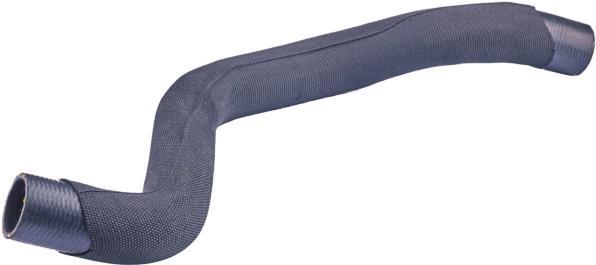 braided sleeving, also known as braided cable sleeve, braided cable sleeving, or braided wire sleeve, has become a widely used solution for protecting and bundling wires.
Unlike rigid conduit systems, a braided sleeve offers flexibility, abrasion resistance, and expandable structure, making it suitable for complex wiring harnesses found in EV systems, aerospace assemblies, robotics, and industrial machinery.
Gendian’s product line, including expandable PET braided sleeve and Fabric Heat Shrink Braided Sleeving, is designed to meet these high-performance requirements by combining mechanical protection with easy installation and long service life.
What Is Braided Sleeving?
A braided cable sleeve is a tubular protective mesh made from interwoven polymer fibers such as polyester, nylon, or PET monofilaments. The structure creates an expandable and flexible tube that can wrap around cable bundles of different diameters.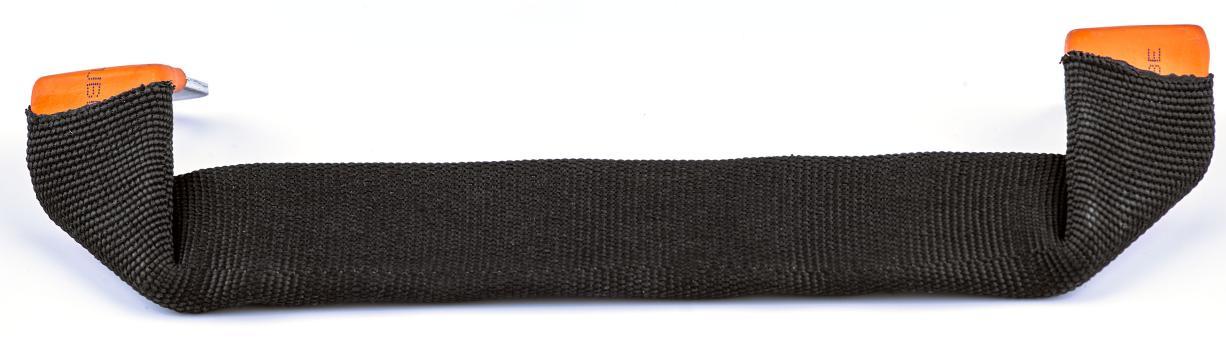
Key characteristics include:
Expandable diameter for different cable sizes
High abrasion resistance
Lightweight structure
Heat and chemical resistance (depending on material)
Easy installation and removal
This is why braided wire sleeve is widely used in automotive wiring, industrial automation, server racks, and consumer electronics.
How Expandable Braided Sleeving Works
The working principle of expandable braided sleeving is based on a woven mesh geometry.
Instead of being a solid tube, the sleeve is made from angled braided fibers.
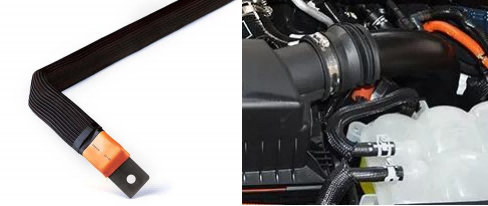
When the sleeve is compressed lengthwise:
The diameter expands
The mesh opens
Cables can be inserted easily
When stretched:
The diameter shrinks
The sleeve grips tightly around the cable bundle
This mechanical behavior is why braided cable sleeving does not require heat to shrink like heat shrink tubing. It adjusts physically, not thermally.
How to Cut Braided Cable Sleeve (Critical Step for Installation Quality)
One of the most important steps in installation is cutting. Many installation failures happen at this stage due to fraying.
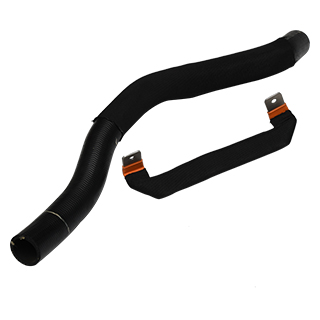
1. What Happens When You Cut Braided Sleeve?
When you cut a braided sleeve, the woven structure naturally tends to unwind. This is especially true for PET expandable materials used in industrial applications.
If cut incorrectly:
Fibers fray
Ends open up
Sleeve loses structural integrity
2. How to Cut Braided Cable Sleeve Properly
There are three professional methods:
Method A: Hot Knife Cutting (Best Option)
Cleanest result
Seals fibers instantly
Prevents fraying completely
This is the preferred method in industrial production environments.
Method B: Scissors + Tape Method
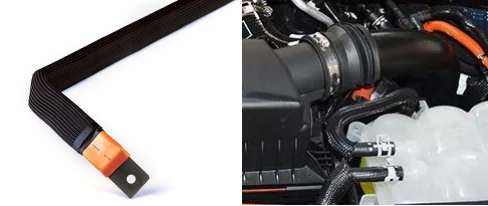
Steps:
Wrap cutting area with adhesive tape
Cut through tape with sharp scissors
Remove tape after cutting
This stabilizes the braid structure during cutting.
Method C: Heat Sealing After Cutting
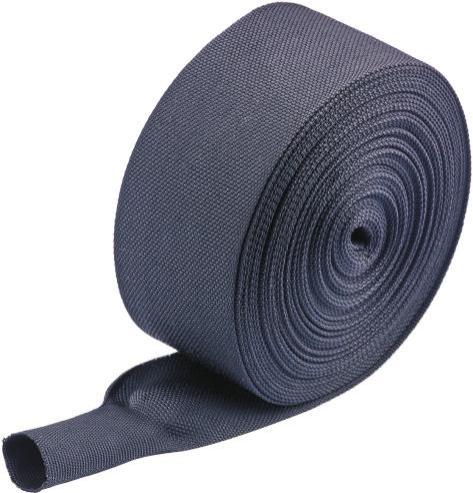
If scissors are used:
Lightly melt the edge using controlled heat
Or combine with heat shrink tubing for end sealing
This is often used in braided cable sleeving installations where precision tools are not available.
Important Rule
Always cut the braided wire sleeve while it is relaxed and not stretched. Cutting under tension causes uneven fraying and inconsistent diameter recovery.
How to Install Braided Sleeving (Step-by-Step Engineering Guide)
Proper installation determines whether the sleeve performs well in long-term applications.
Step 1: Measure Cable Bundle
Measure:
Total cable diameter
Connector size
Routing length
Always choose a sleeve that expands 30–50% larger than the cable bundle.
Step 2: Prepare Cable Bundle
Before installing:
Align cables neatly
Remove sharp edges
Optionally bundle with tape temporarily
This ensures smooth insertion into the braided cable sleeve.
Step 3: Expand the Braided Sleeve
Push the sleeve together lengthwise.
This will:
Expand diameter
Open weave structure
Create space for cables
This is the key advantage of expandable braided sleeving.
Step 4: Insert Cable Bundle
Slide cables into the sleeve gradually.
For long cables:
Compress sleeve section by section
Push forward slowly
Avoid twisting
This ensures even distribution inside the braided sleeve.
Step 5: Position and Adjust
After full insertion:
Stretch sleeve slightly
Ensure tight grip
Remove slack areas
The sleeve will naturally contract around the bundle.
Step 6: Secure the Ends
Because braided sleeving does not shrink, ends must be fixed using:
Heat shrink tubing (recommended)
Cable ties
Clamps
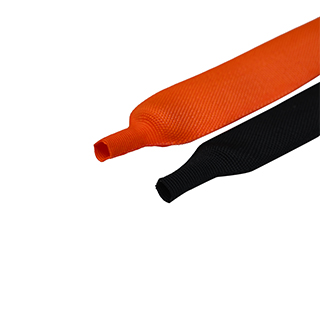
This prevents movement over time.
Fabric Heat Shrink Braided Sleeving: A Hybrid Solution
Gendian also provides Fabric Heat Shrink Braided Sleeving, which combines:
Braided outer layer (abrasion resistance)
Heat shrink inner layer (sealing function)
This hybrid structure allows:
Easy installation like braided sleeve
Permanent sealing like heat shrink tube
It is widely used in:
EV battery harnesses
Aerospace wiring
Industrial high-vibration systems
Braided Cable Sleeve vs Traditional Cable Protection
Compared with rigid conduit or corrugated tubing:
| Feature | Braided Sleeve | Rigid Tube |
|---|---|---|
| Flexibility | High | Low |
| Installation | Easy | Difficult |
| Expansion | Yes | No |
| Maintenance | Easy access | Hard access |
| Appearance | Clean | Bulky |
This is why braided cable sleeving is replacing traditional wire protection in many modern systems.
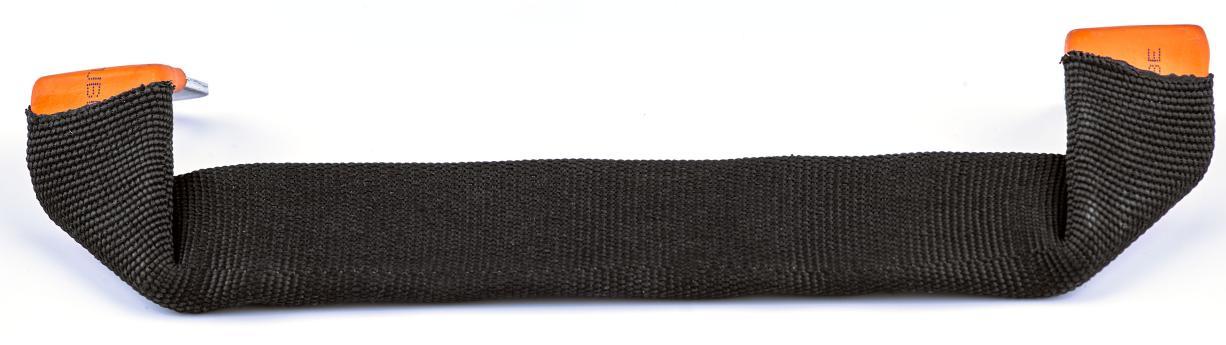
Common Installation Mistakes
Engineers often make these mistakes:
Cutting without sealing ends
Over-stretching braided sleeve
Choosing incorrect diameter
Installing without cable alignment
Not securing sleeve ends
These mistakes reduce lifespan and performance of the braided wire sleeve system.
Conclusion
A braided sleeve is more than just a cable cover—it is a critical engineering component for protecting wiring systems in demanding environments.
Understanding:
how to cut braided cable sleeve
how to cut expandable braided sleeving
how to install braided sleeving
ensures better performance, longer service life, and cleaner cable management.
With advanced materials such as PET expandable sleeving and fabric heat shrink braided sleeving, manufacturers like Gendian are providing reliable solutions for next-generation electrical systems.